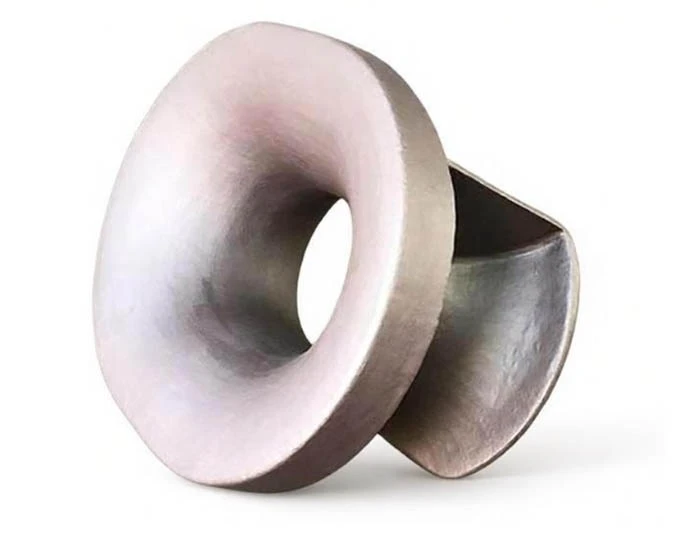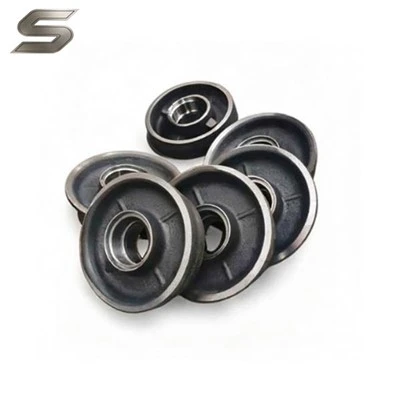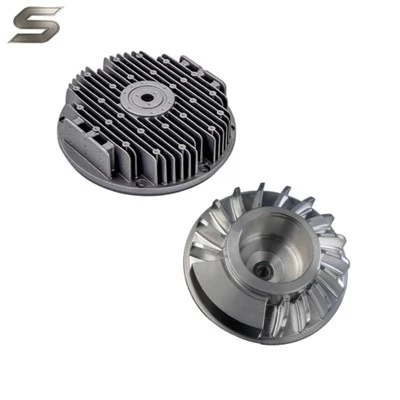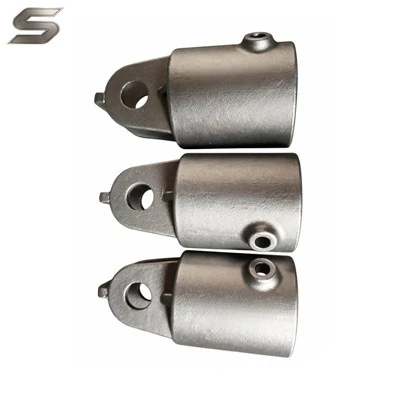

Ship Mooring chocks are classified in different ways, such as by standard / waterway, structural type, installation position and material.
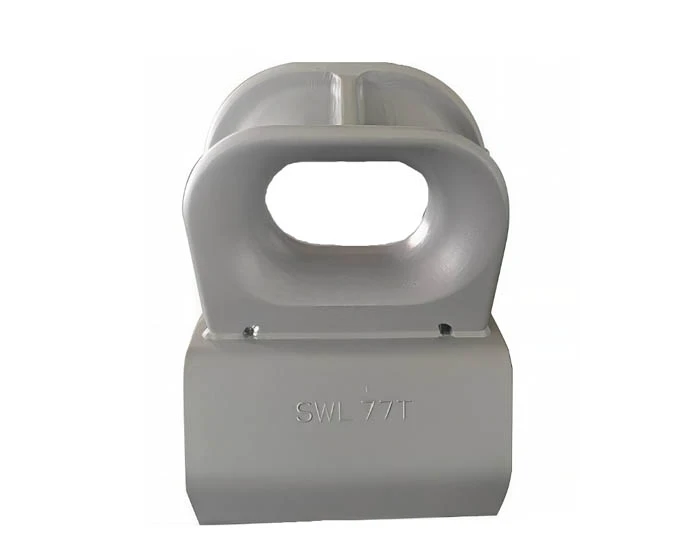
Standard / Waterway
Classification by standard and waterway is a widely adopted method. The types include: Panama chock, German type chock, Japanese JIS chock, Spanish chock (widely used in Spanish-speaking South America), St. Lawrence chock (for the St. Lawrence waterway), CB/T34 chock, SPM single point ship mooring chock.
Panama chocks were originally designed for vessels transiting the Panama Canal. Thanks to their advantages, many vessels that do not need to pass through the Panama Canal also adopt this type of chock.
German type chocks comply with DIN 81915. They are closed structure, mostly installed on deck, featuring high load capacity and stable structure, widely used on vessels of European countries.
Japanese chocks follow JIS F 2017. This standard served as an early reference for Panama chocks. They are divided into deck type AC and bulwark embedded type BC. Suitable for mooring operations of new Japanese-built vessels and ships trading on Japan-Korea routes.
Spanish chocks are widely used in Spanish-speaking regions. There is no national Spanish standard for them. We currently produce four sizes: 62104, 62105, 62106 and 62107. Their appearance and material are similar to Panama chocks, but the inner hole profile, radius R and overall dimensions follow an independent specification system.
St. Lawrence chocks are available in closed and roller types, specially for vessels sailing the Great Lakes and St. Lawrence River in North America.
CB/T34 is the Chinese standard for general ship mooring chocks.
SPM chocks are designed for oil tankers, chemical tankers and LNG carriers, used for CALM single point buoy loading and unloading.
Structural Type
They can be divided into round ship mooring chocks, elliptical mooring chocks and roller mooring chocks. Round mooring chocks feature simple structure and low cost, applied in areas where the force direction of mooring ropes is relatively fixed, such as the midship deck.
The long axis of elliptical mooring chocks accommodates small angle changes of mooring ropes, commonly fitted at bow or stern where force direction fluctuates slightly.
Roller mooring chocks reduce sliding friction between ropes and chock walls via built-in rollers. They are suitable for scenarios requiring frequent rope hauling and releasing or enduring sustained heavy tension, such as mooring decks of container ships.

Installation Position
By installation position, they are grouped into deck ship mooring chocks and bulwark mooring chocks.
Deck mooring chocks are fixed directly on the main deck for transverse mooring.
Bulwark mooring chocks are mounted on top of bulwarks, allowing ropes to lead downwards at an oblique angle.
Material
By material, they are cast steel ship mooring chocks, stainless steel mooring chocks and ductile iron mooring chocks.
Cast steel mooring chocks have high strength and good impact resistance, the mainstream option for primary mooring positions on large vessels.
Stainless steel ship mooring chocks deliver excellent corrosion resistance, ideal for high salt spray and harsh seawater environments.
Ductile iron ship mooring chocks offer cost advantages with better toughness than ordinary grey cast iron, mostly used for non-critical load positions with low load demand.