


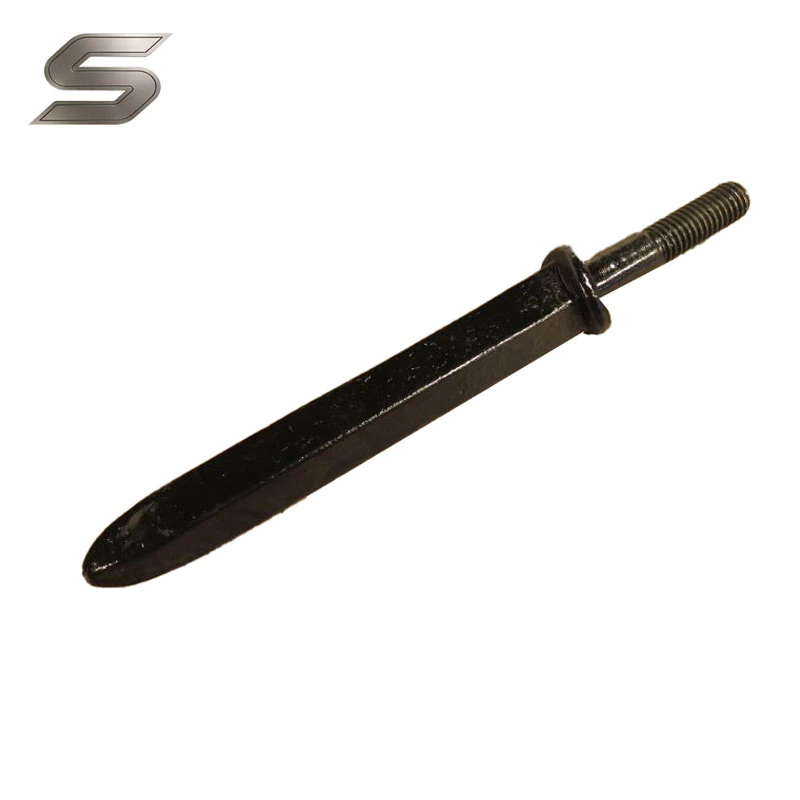


What materials are used for Casting Spike Harrow Teeth for Agricultural Cultivators?
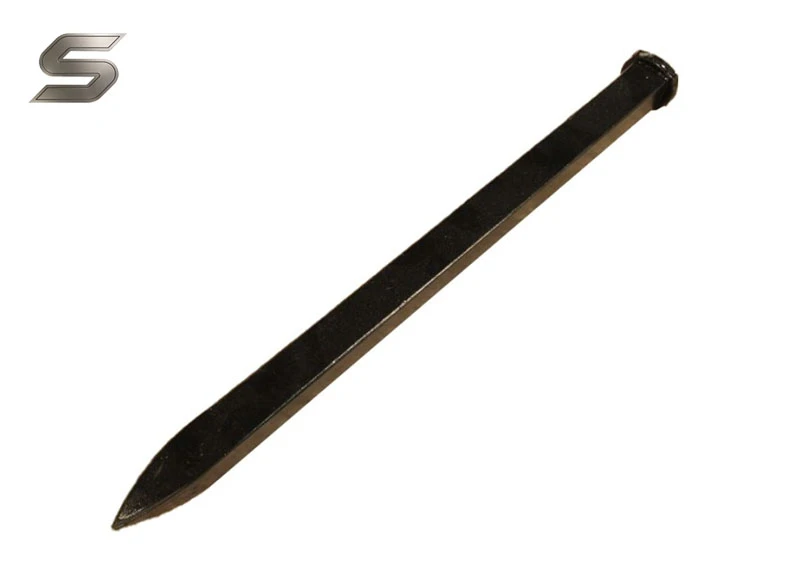
1. 45# Steel:
45# steel is not an ideal material for long tines; its wear resistance and toughness are suboptimal, though it has the advantage of low cost. It is a viable option for short-term or temporary use.
Grades: C45 / C45E / C45E4,AISI 1045 UNS G10450,S45C,080M46 / EN8
2. ZGMn13 High-Manganese Cast Steel:
This is the mainstream material for cast steel agricultural tines. It is suitable for breaking in rocky virgin land, mountainous terrain, and gravelly soil; it exhibits a slow wear rate, with a single set of tines capable of cultivating hundreds to over a thousand acres of land. It also offers the best value for money.
Grades: GX120Mn13, G-X120Mn13, A128 Gr.B2, SCMnH11, 110Г13Л
3. 42CrMu:
It offers superior wear resistance compared to 45# steel and greater resistance to repeated tensile fatigue than high-manganese steel, ensuring durability and stability under long-term vibration conditions.
Grades: 42CrMo4,AISI 4140 UNS G41400,708M40,38ХМ(38KHM)
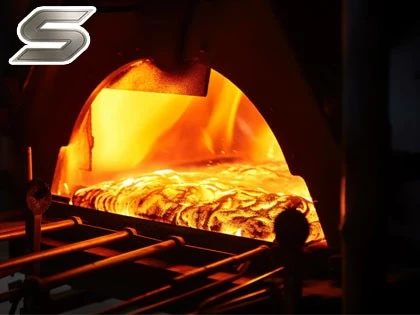
A Crucial Step in the Production of Cast Steel Long-Tooth Harrows: Heat Treatment
Unlike some other products, the requirements for strength and toughness are not uniform across the entire tine.
The tip requires high hardness and wear resistance to break through the soil, whereas a shaft with the same level of hardness would be prone to snapping.
Therefore, the following heat treatment process is employed:
- The shaft undergoes overall quenching and tempering to ensure impact resistance and prevent bending.
- The tip undergoes localized quenching to enhance surface hardness and wear resistance.
What are the advantages of Casting Spike Harrow Teeth for Agricultural Cultivators?
Compared to traditional sand casting, investment casting offers the following advantages:
1. Dimensional Precision: Investment casting achieves a tolerance grade of CT4–CT6, whereas sand casting typically ranges from CT10 to CT13.
2. Near-Net-Shape Forming: Investment casting is a near-net-shape process that eliminates approximately 70% of machining requirements; finishing involves only grinding sharp edges and quenching, unlike sand casting, which necessitates extensive milling, drilling, and grinding.
3. Consistency and Interchangeability: Wax patterns are produced via uniform injection molding, ensuring identical dimensions and mounting hole positions for rake teeth within the same batch, resulting in excellent interchangeability.
4. Superior Surface Finish: Investment-cast teeth offer a much smoother surface finish than sand-cast teeth (Ra 1.6–6.3 μm vs. Ra 12.5–50 μm). This smoothness reduces soil entry resistance and extends the service life of the teeth.
5. Design Flexibility: The process allows for high design freedom, including precise control over wall thickness, the creation of complex geometries, and the incorporation of brand logos.
6. Supply Stability: Investment casting molds have a long service life, ensuring consistent quality across multiple procurement batches.
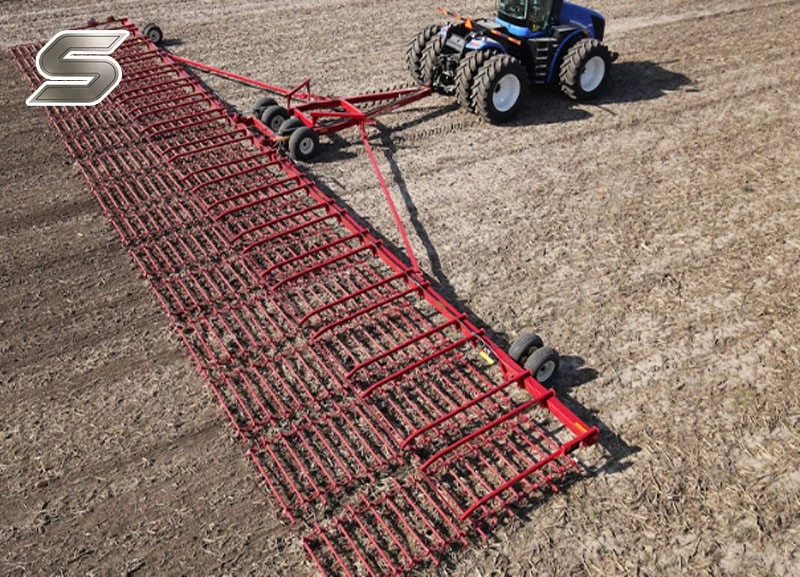
Applicable Operating Conditions and Machinery
Compatible Equipment:
Tractor-mounted 3-point linkage mesh harrows
hydraulic folding heavy-duty harrows
land reclamation harrows
subsoilers, inter-row cultivators
farmland reclamation machinery
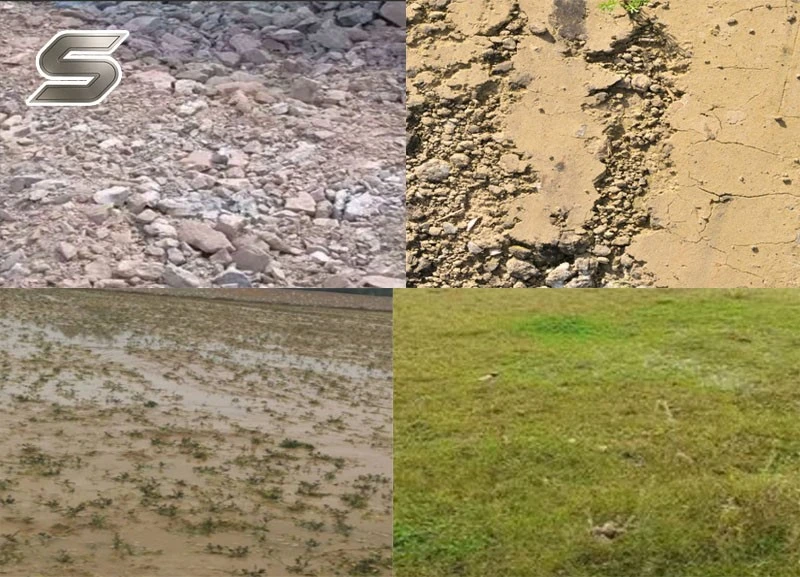
Applicable Conditions:
Wasteland reclamation
rocky terrain, compacted hard soil
dryland stubble breaking, paddy field leveling
orchard deep tillage, and high-standard farmland preparation.
Hot Tags: casting spike harrow teeth for agricultural cultivators, China casting spike harrow teeth for agricultural cultivators manufacturers, suppliers, factory, lost investment casting, lost wax sand casting, precision investment services


